
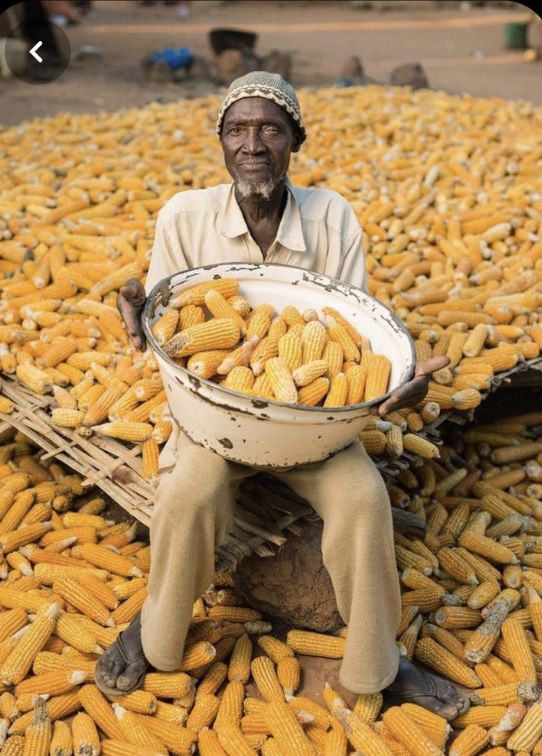
When we think of the people who put food on our tables, one reality often stands out in Cameroon: the average farmer is aging. Studies and surveys across the country suggest that most farmers are between 45 and 60 years old. In some rural areas, it’s not uncommon to see farmers above 65 still bending over their fields.
Why is this important ?
Agriculture is the backbone of Cameroon’s economy, employing nearly 70% of the population either directly or indirectly. Yet, the sector is increasingly dominated by older generations. Many young people, drawn by the promise of urban jobs or discouraged by the “hardship” image of farming, are turning away from the land. These leads to several consequences like ;
- Declining labor force: With fewer young people stepping into farming, productivity risks falling.
- Slow adoption of technology: Older farmers often stick to traditional methods, limiting efficiency and growth.
- Food security concerns: As the main food producers age out, who will replace them
A generational opportunity
This situation, while concerning, is also an opportunity. Young Cameroonians can seize agriculture not just as a last resort, but as a business and innovation space. Agritech, agro-processing, modern irrigation, and digital platforms (like Agrifrika) are redefining what farming means.
If farming in Cameroon remains in the hands of an aging generation, the risks for food security and rural development will deepen. But if the youth embrace it with fresh energy, technology, and creativity, agriculture could become not just the past of Cameroon, but its future.
#Agrifrika #YoungFarmers #CameroonAgriculture #AgriBusiness #FoodSecurity #AgriYouth
Leave a Reply