
Introduction
Cameroon is a country often called “Africa in miniature” because it has many different landscapes and rich natural resources. Farming is super important here it’s like the backbone of the country’s economy. It helps many people earn a living, makes sure there’s enough food for everyone, and brings in money from exports. Even with all its potential, farming in Cameroon faces many problems, from bad roads to changing weather. But there are also many exciting chances for growth and new ideas. This article will look at farming in Cameroon: why it’s important, what crops are grown, the difficulties it faces, and the good things happening to make it stronger and better for the future.
- Farming: The Heart of Cameroon’s Economy
Farming is super important for Cameroon’s economy. It helps the country stay strong and makes life better for its people. About 70% to 80% of working people in Cameroon are farmers. This shows how much farming helps people find jobs. Also, farming adds more than 20% to the country’s money (GDP), not counting oil. This means farming is a huge part of Cameroon’s wealth, even without its natural resources. This big contribution isn’t just numbers; it means people have enough food to eat and the country earns money by selling farm products to other countries.
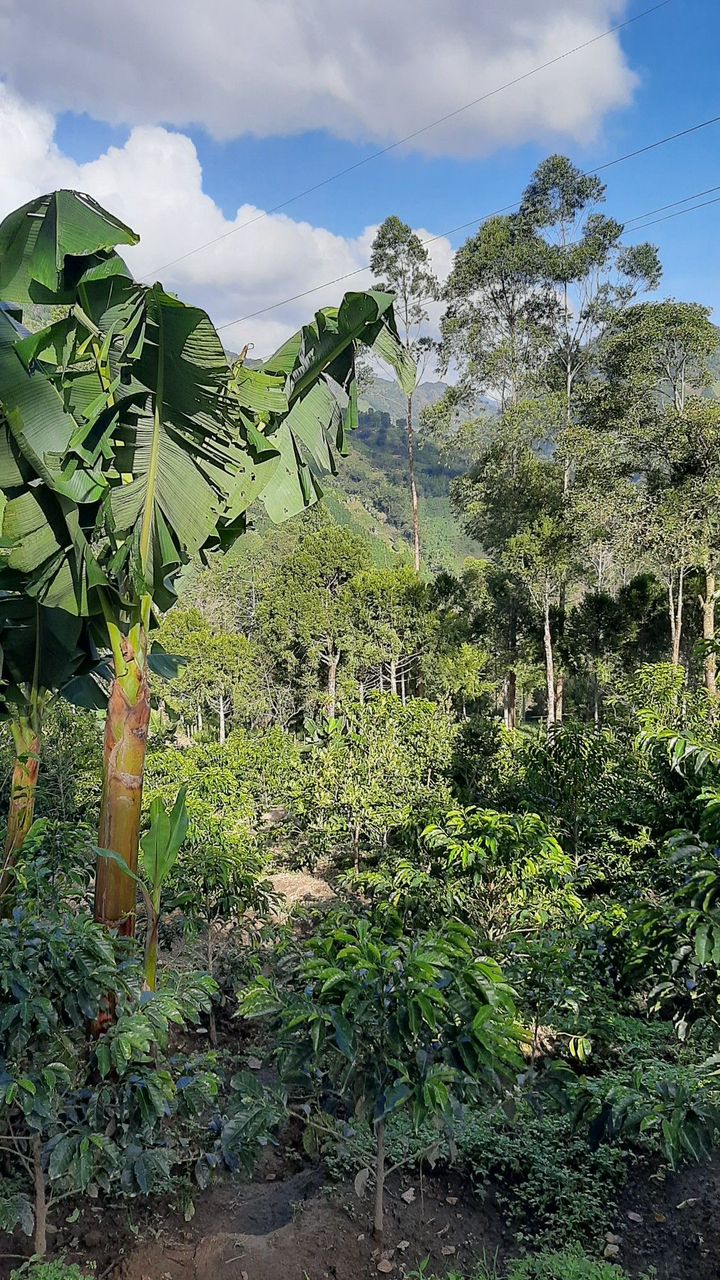
Cameroon has many different types of land, from coasts to mountains and dry areas. This means farmers can grow many different kinds of crops. This natural gift helps both big farms and small family farms, making farming in Cameroon very lively and diverse.
- Main Crops and Why They Matter
Cameroon’s farm products can be split into two main groups: cash crops and food crops. Both are very important for the country’s economy:
- Cash Crops: These are grown mainly to be sold to other countries. They bring a lot of money into Cameroon. Top cash crops include cocoa, coffee, cotton, bananas, palm oil, rubber, and taro. Cocoa, for example, is a big export, and Cameroon is one of the world’s largest producers. The money from these crops helps pay for new roads, schools, and other important projects, and keeps the economy stable. Growing these crops often needs big farms and gives jobs to many people.
- Food Crops: These are grown mainly for people in Cameroon to eat. They are key for making sure everyone has enough food. Important food crops include plantains, beans, potatoes, yams, cassava (manioc), maize, millet, and groundnuts. When these crops are grown widely, most people have access to basic foods. This helps stop hunger and means the country doesn’t have to buy as much food from outside. Even though these are mostly for local use, any extra is sold in local markets, which helps farmers earn more money and boosts local economies.
Both cash crops and food crops work together to create a strong farming system. This system helps Cameroon reach its economic goals and makes sure its people have what they need. Keeping these farming areas growing and trying new things is very important for Cameroon to develop and become more self-sufficient.
- Facing Farming Problems
Even though farming in Cameroon has huge potential, it faces many problems that slow down its growth. Solving these problems is key to making farming as good as it can be and helping the country grow.
- Bad Roads and Missing Tools
One of the biggest problems is that there aren’t enough good roads. It’s hard and expensive to move farm products from the fields to the markets. This means a lot of food goes bad before it can be sold. Also, there aren’t enough good ways to water crops (irrigation), so farmers often depend on rain, which can be tricky. When there’s no rain, crops die. When there’s too much, they get flooded. Plus, there aren’t enough places to store food, so it spoils quickly. This means farmers lose money and can’t save their crops for when prices are better.
- Hard to Get Money and Reach Markets
Small farmers, who are most of the farmers in Cameroon, often can’t get loans or money to help their farms. Banks don’t like to lend money to farmers because they think it’s too risky, and if they do, the interest rates are very high. Without money, farmers can’t buy better seeds, new tools, or other things to grow more food. It’s also hard for them to sell their products in big markets, both in Cameroon and other countries. This is because the ways of moving and selling goods are not good, and farmers don’t always know what buyers want.
- Climate Change Makes Things Worse
Cameroon is really affected by climate change. Rain patterns are changing, there are long dry periods, and more floods. All these things hurt crops and animals. This means less food and makes life harder for millions of farmers who rely on rain for their crops. Farmers don’t have enough ways to deal with these changes, which makes them even more vulnerable.
- Land Fights
There are more and more arguments and fights over land. Big farming companies sometimes take land that local communities have used for a long time. These fights can stop farming work, make farmers leave their homes, and cause problems in communities. This stops farming from growing and stops new money from coming into the sector.
- Not Enough Training or New Ideas
Many farmers in Cameroon, especially in the countryside, don’t know about modern farming methods, or how to get help from farming experts, or use new technologies. Old farming ways often mean less food is grown and resources are wasted. Farmers don’t use enough good seeds, fertilizers, or ways to stop pests. They also don’t know much about farming in a way that protects the environment. Learning new things and using new tools is very important to make farming better and more profitable.
- Finding Chances: New Ideas and Projects
Even with all the tough problems, farming in Cameroon has many chances to grow and get better. The government, international helpers, and local people are all working together on new projects to make farming stronger, more productive, and good for the long run.
- Making Supply Chains Better
People know that the ways farm products are moved and sold are not very good. So, they are working hard to make them better. Projects helped by groups like GAFSP are focused on helping farmers get money, making sure products can be sold easily, and connecting farmers to markets. These projects want to stop food from going bad after harvest, help farmers earn more, and make sure food gets to people quickly, both in Cameroon and other countries.
- Growing Livestock Farming
Raising animals (livestock farming) is another area that can grow a lot. Projects like PRODEL are helping to make animal farming modern. They teach farmers, improve places like animal clinics and breeding centers, and help farmers sell their animal products. These efforts are very important for having enough food, giving farmers more ways to earn money, and meeting the growing need for meat and other animal products.
- Making Food Systems Stronger
Cameroon is actively working to make its food systems stronger and more stable. New projects like the Convergence Initiative and the Science-Policy-Society Interface (SPSI) are big steps forward. These groups bring together different people like government leaders, scientists, farmers, and community groups. They work together to find solutions for food security, good nutrition, and dealing with climate change. By connecting science with real-world farming, these projects want to create food systems that are tougher and can adapt better.
- Smart Farming with Trees (Agroforestry)
More and more people are seeing how important it is to farm in a way that protects nature, especially by planting trees on farms (agroforestry). Projects like PALM-TREEs and those from groups like Earthly are encouraging farmers to plant trees with their crops. These projects help fix damaged land, bring back different kinds of plants and animals, make the soil healthier, and give farmers extra money from wood and other forest products. By using natural farming methods and agroforestry, Cameroon is moving towards farming that is better for the environment and also makes more money.
- Government Plans and Help from Other Countries
Cameroon’s government is serious about helping farming grow. They have different plans and strategies, like the National Agricultural Investment Plan (PNIA). This plan aims to grow more food, plant different kinds of crops, and make sure everyone has enough to eat. Other countries and groups also help a lot. Organizations like the Food and Agriculture Organization (FAO) and the World Bank are actively supporting projects in Cameroon. They focus on improving nutrition, setting up early warnings for food shortages, and teaching small farmers new skills. This help brings important knowledge, money, and new ideas, which speeds up the changes in farming.
To sum up, even though farming in Cameroon has big problems, it also has a huge, unused potential. It gives jobs to most people and adds a lot to the country’s money. This shows how important it is for Cameroon to grow and develop. The many different crops grown, from important cash crops like cocoa and coffee to basic food crops like plantains and maize, show that farming can feed the country and also sell products to other countries.
Leave a Reply